
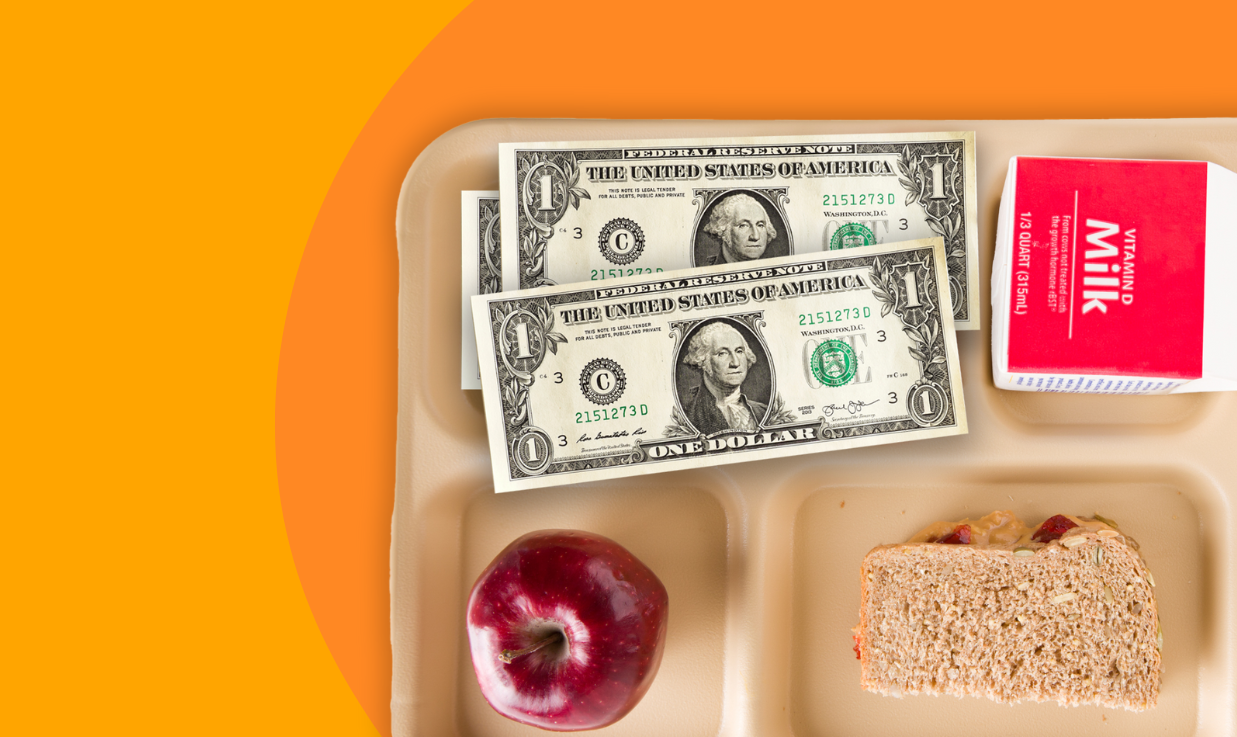
A family with more than one kid in school rarely pays for just one thing in a given month. They might make their online school store purchases on a website, then pay a lab fee here, a field trip there, club dues by cash, and a parking permit by check. Families probably wouldn’t choose to spread their school payments across so many different payment methods, but they don’t get to choose the easiest way to pay when everything’s managed by a different system.
Districts feel the other side of the complexity. Every one of those separate payment and accounting systems means another list to reconcile, another stack of receipts to chase, and more conversations about who still owes what. That’s work that adds up across the district, and it can take up a lot of the business office’s year.
For many families, LINQ Connect is already where they take care of funding digital meal accounts, view menus, and access meal applications. But more districts are finding that it can also be the place where they take care of their other school payments, typically in a single checkout. That makes life easier on both sides of the counter.
Scattered payments cost everyone time they can’t spare
Every extra login, paper form, and separate payment site is one more chance for a family to miss a deadline, or for a reminder to get lost between three different tools. Families who are busy and trying to do the right thing end up with an overdue balance they didn’t know about.
For the district office, scattered payments mean more of their week spent tracking down missing or overdue fees. Records live in different places, and school-site staff feel the weight of figuring out where the money went. When auditors ask for those records, pulling them together from several sources is slow.
When every fee lives in one place, families can see what they owe, and the district office can see who has paid, without the paper chase.
Making online school store purchases on the same app as every other payment
Every extra login, every paper form, and every separate payment site is one more chance for a family to miss a deadline, or for a due-date reminder to slip through the cracks. When it all lives in one place, families can see what’s due when they open the app, add it all to their cart, and pay for everything in one checkout. They don’t have to juggle five logins, and they can delete those extra apps that only handled one school payment.
The simplicity also means more visibility for the latest items you added to the school store. No more hoping families saw the post on your social media pages or the announcement on school websites. Just launched new homecoming week shirts or student-designed bumper stickers? Families will see the new items the next time they open the app to reload meal accounts or pay a club due. It’s a great way to catch sales you might have missed and make sure that families are always up to date on your newest school swag.
Putting the school store on an app is just the start. A full-service payments app like LINQ Connect offers the chance to make life easier for everyone (while taming the chaos of month-end accounting.)
Seven more payments families can make on the LINQ Connect app:
1. School and Course Fees
Technology fees, lab fees, and materials fees for a specific class add up fast for a family with more than one kid. Families see exactly what they owe and pay it from the same app they already use for lunch money.
2. Club Dues and Activity Fees
Marching band, robotics club, and National Honor Society dues are often the first fee a family pays that has nothing to do with the cafeteria. Collecting them through LINQ Connect means the sponsor sees their payments show up in real time, and the district keeps an accurate record of who already paid.
3. Spirit Wear for Live Events
Help families prepare their kids for a pep rally or game night by featuring special event spirit wear in your school store. They can make their purchase with a few taps the next time they log in to check meal account balances or view the weekly lunch menu.
4. Game and Event Tickets
Digital ticketing for football games, plays, and concerts means families that prefer to pay with a card can purchase tickets early. Plus, real-time payment processing means they can still attend if they show up to the event without cash in hand.
5. Field Trip Payments
Field trip forms have a way of getting crumpled at the bottom of a backpack. When the payment and the permission slip live in the same app a parent already checks for lunch balances, there’s less extra work for families and front office staff.
6. Yearbooks and Class Photos
Yearbooks and class photos are easy purchases to forget to make before the order window closes. A single payment app makes it easier for schools to remind families before the deadline, and easier for families to say yes.
7. Fundraiser and Booster Contributions
Activity funds, the money that comes from club dues, spirit wear sales, ticket sales, and fundraisers, are some of the most flexible dollars a district has. A great way to grow these revenue streams is to make payments as simple as a few taps on an app.
One app makes life easier for everyone
LINQ Connect gives families one place to see what they owe and what’s available to buy, from the school store to meals to activities, and one place to pay it. Nutrition tools like tiered pricing for eligible students carry over automatically, so families always see the right price.
For districts, that same consolidation means less time spent reconciling five different systems at the end of the month and a clearer answer when a board member asks how much came in from the school store or ticket sales last quarter.